
OCD Treatment in Worthington, Ohio

You Know the Thought Isn’t Right. It Still Won’t Leave You Alone
Perhaps it’s the microwave you’ve inspected four times. Perhaps it’s a thought that keeps playing in your mind or is one you would never act on and now you can’t help but think about it. Perhaps it is the 20 minutes of ritual that you’d rather not do, but the fear of missing it is worse.
It’s not a bad thing if that’s your day-to-day life, it isn’t a weakness. It is a well known and treatable condition.
Awa Ndiaye, PMHNP, FNP sees patients with OCD in Ohio via secure telehealth for psychiatric evaluation and medication management at Seeking Serenity.
When Intrusive Thoughts and Compulsions Take Over Your Day
OCD has two parts.
The first is obsessions – unwanted thoughts, images or urges that keep coming back and cause real distress.
The second is compulsions – repetitive behaviors or mental acts you feel driven to do to calm the distress, or to stop something bad from happening.
But the relief is never long lasting, however. The thought comes back again, the ritual begins with it, and the hours can go by.
OCD isn’t necessarily about being neat, either. There are lots of people who are organized or particular, and that’s okay. OCD occurs when the need seems not to be voluntary, is disproportionate, and interferes with work, relationships and rest.
Signs and Symptoms of OCD
OCD doesn’t look the same in everyone. Some common patterns:
- Intrusive thoughts – unwanted, disturbing thoughts or images that feel impossible to shake
- Contamination worries – fear of germs, dirt, or illness, often with excessive washing or cleaning
- Repeated checking – going back to confirm locks, appliances, or whether you made a mistake
- Mental rituals – counting, praying, or replaying events in your head to feel “safe”
- Fear of mistakes: an overwhelming need to get things exactly right, or a dread of harm if you don’t
- Symmetry and order: needing things arranged a specific way before you can relax
- Reassurance seeking: asking others again and again to confirm everything is okay
- Avoidance: steering clear of places, people, or situations that set off the cycle
Some compulsions are invisible. If your rituals happen entirely in your head, a friend sitting next to you might never know. That doesn’t make them any less real or exhausting.
One more thing worth saying: an odd or intrusive thought now and then is part of being human and doesn’t mean you have OCD. It’s the pattern, the distress, and the time it takes that an evaluation looks at.
Personalized OCD Care at Seeking Serenity
OCD care isn’t one-size-fits-all. Two people can have the same diagnosis and need completely different things, so Awa starts by getting to know your situation before recommending anything.
Comprehensive Psychiatric Evaluation
Your first visit is a thorough conversation. Awa will look at:
- Your symptom patterns and how they show up day to day
- How OCD affects your work, relationships, and routines
- Your medical and mental health history
- Treatments you’ve tried before and how they went
- Other concerns that may be happening alongside it
- What you want to get out of treatment
OCD Medication Management
For some people, medication makes OCD noticeably easier to live with. SSRIs are among the options commonly used, but whether medication is right for you, and which one, is a decision you make together with Awa.
Medication management typically includes:
- Reviewing what you’ve taken in the past
- Talking through your options
- Watching for side effects and interactions
- Tracking how your symptoms respond
- Adjusting the plan when it needs adjusting
Ongoing Monitoring and Follow-Up Care
We check how you’re feeling, what’s helping and if something needs to change. It also helps to know that OCD medication often takes time to work – so progress can feel slow at first. That’s expected, and it’s one reason regular check-ins matter.
Medication and ERP

Therapy and/or medicine typically are used to treat OCD. Exposure and Response Prevention is a psychological treatment with the best evidence base – a first-line treatment in which you are gradually exposed to what you’re anxious about relating to your OCD and learn not to respond to the compulsion.
Seeking Serenity provides psychiatric assessment and medication management. If ERP seems like a treatment right for you, Awa will discuss how ERP works in conjunction with medication, and what to expect from a therapist.
What to Expect From Online OCD Care
Care is available by telehealth for patients across Ohio, so you can meet from somewhere private and comfortable, with no travel and no waiting room.
Step 1: Schedule Your Appointment
Choose a time through the secure online portal, or call if you’d like to ask something first.
Step 2: Complete Your Psychiatric Evaluation
You’ll talk through your symptoms, history, and goals. Go at your own pace. You don’t need to have it all organized beforehand.
Step 3: Review Your Treatment Options
Awa will explain what she’s seeing, what could help, and why. You’ll have room to ask questions and weigh in.
Step 4: Continue With Follow-Up Appointments
Regular visits keep your plan on track, so it can change as you do.
Why Patients Choose Seeking Serenity
Whole-Person Assessment
OCD doesn’t exist in isolation. Awa looks at your physical health, your life, and your history alongside your symptoms.
Individualized Medication Decisions
Nothing is prescribed on autopilot. Recommendations are based on you, and you’re part of every choice.
Collaborative Planning
This is a partnership. Your questions, concerns, and preferences shape the plan.
Convenient Ohio Telehealth
Care from home means one less hurdle, and that matters when OCD already makes ordinary tasks feel harder.
Ongoing Psychiatric Support
You aren’t handed a plan and left to sort it out. Follow-up is built in.
OCD Care for Patients in Worthington and Across Ohio
Seeking Serenity serves patients in Worthington, Columbus, and communities throughout Ohio by telehealth. Availability and eligibility can depend on where you are during your visit, so get in touch to confirm before booking. You can also check our insurance partners page for coverage details.
Get OCD Care
OCD tends to get louder the longer it runs the show, and getting help earlier usually makes things easier. You don’t have to wait until it’s unbearable, or until you’ve figured out exactly what to say.
Reach out to Awa’s practice, tell her what’s been going on, and see what a plan could look like.
Frequently Asked Questions About OCD Treatment
Yes, medication can be a helpful part of OCD treatment for many people!
Sometimes, but not always. Many people do best with medication, therapy such as ERP, or a combination. Awa can help you work out what fits.
It often takes several weeks and sometimes longer, to notice a change and it varies from person to person. Please don’t stop or change medication without checking with your provider.
Yes, for eligible Ohio patients, depending on availability. Contact the practice to confirm.
You’ll talk about your symptoms, history, medications, and goals. It’s a conversation, and your questions are welcome.
Yes, quite often. If that sounds like you, our pages on anxiety and panic and depression care may be helpful, and Awa will look at the full picture during your evaluation.
Most people do, at least for a while. Follow-ups are how we see what’s working and adjust. How often depends on you.
Book online through the secure portal or call (614) 636-4110. You can also learn more about how we approach psychiatric medication management.
Please note: Routine appointments aren’t an emergency or crisis service. If you’re in immediate danger, call 911. In the U.S., you can call or text 988 anytime for mental health crisis support.
Contact Information
- (614) 636-4110
- seekingserenity10@gmail.com
- 740 Lakeview plaza blvd worthington Ohio 43230
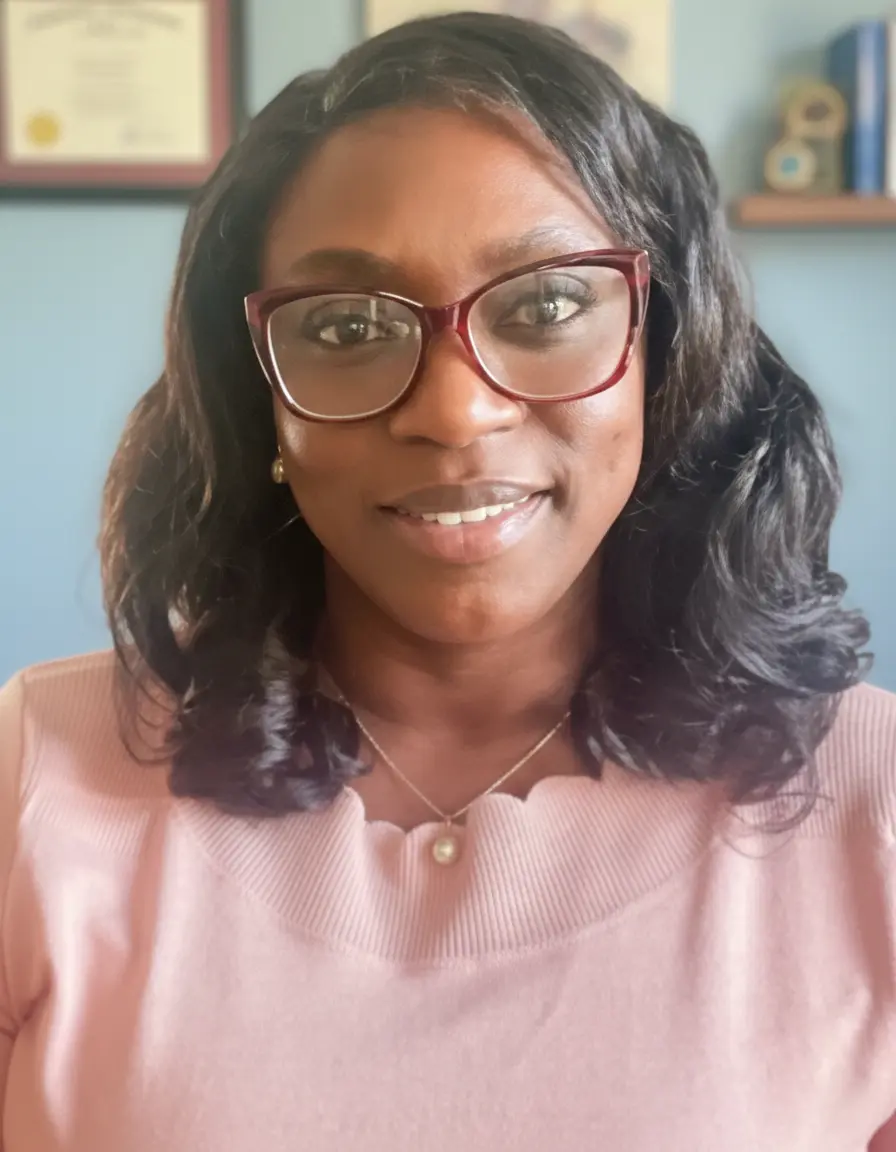
Awa Ndiaye, PMHNP, FNP
With over 15 years of experience across hospitals, primary care, and psychiatric clinics, I bring a deep, multi-faceted understanding of health to every session. As a dual-board-certified Family Nurse Practitioner (FNP) and Psychiatric-Mental Health Nurse Practitioner (PMHNP), I look at the “whole person”—not just a set of symptoms.
Your Journey to Wellness Starts with One Simple Step