
Binge Eating Disorder Treatment in Ohio

When Eating Stops Feeling Like a Choice
You weren’t even hungry. But you kept going, and by the time you stopped, you felt stuffed, embarrassed, and mad at yourself. Tomorrow you’ll promise it won’t happen again.
Plenty of people live in that loop, and most of them hide it. It isn’t a lack of willpower. Binge eating disorder is a real medical condition, and people get better.
At Seeking Serenity, Awa Ndiaye, PMHNP, FNP provides psychiatric care by secure telehealth across Ohio. She’s spent over 15 years in hospitals, primary care, and psychiatric clinics, so she pays attention to your whole health, not only your plate.
Not sure if this is what you’re dealing with? Call or send a message and ask. That’s a fine place to start.
Understanding Binge Eating Disorder
Binge eating disorder (BED) means repeated episodes of eating a lot of food while feeling like you can’t stop, usually followed by guilt, shame, or distress.
That’s different from the occasional big holiday meal. Everybody overeats now and then. BED is a pattern, and the loss of control is what makes it so draining. It has nothing to do with discipline, and you can’t spot it by looking at someone. People of all sizes have it.
Common signs may include:
- Eating a large amount of food in a short time
- Feeling like you can’t stop or slow down
- Eating very fast, or until you’re uncomfortably full
- Eating when you aren’t physically hungry
- Eating alone or in secret because you’re embarrassed
- Feeling guilty, ashamed, or low afterward
Having a few of these doesn’t mean you have BED. A professional assessment is the only way to know, and that’s what an evaluation is for.
How Psychiatric Care Can Help
BED often comes with other things, like anxiety, depression, or emotions that feel too big to handle. Untangling what’s connected to what is where care begins.
Awa will ask about your symptoms, your history, your mental health, your daily life, and what you want to change. Nothing gets decided until she understands the full picture.
Looking at Related Mental Health Concerns
If worry, low mood, or stress are part of your story, bring them up. Looking at everything together makes it easier to figure out what you need. You can read about our anxiety and panic care and depression care.
Medication Management, When It Fits
For some people, medication may help. Whether it’s right for you depends on your symptoms, history, and any risks. It doesn’t replace eating-disorder therapy when that’s recommended, and it’s never automatic. Here’s more on how psychiatric medication management works.
What to Expect From Your Psychiatric Evaluation
Talking about eating with someone new can feel exposing. Knowing what happens ahead of time can help. It’s a conversation, and you set the pace.
- Tell us what’s been going on. You’ll talk about your eating patterns, the times you feel out of control, how it makes you feel, how long it’s been happening, and how it affects your days.
- Share your history. Awa will ask about your medical background, current medications, and other mental health concerns.
- Go over your options. She’ll explain what psychiatric care could offer. If you’d benefit from therapy, nutrition support, or an eating-disorder program, she’ll point you toward that too.
- Plan what comes next. You’ll set up follow-ups, and if you need a specialist, Awa will help connect you.
Your plan will depend on what you need and what services are available.
Telehealth Psychiatric Care in Worthington, Ohio
Video visits mean you can have this conversation from somewhere private and familiar. That matters when the topic is this personal. No waiting room, no commute.
Seeking Serenity offers telehealth to eligible patients across Ohio, including Worthington and nearby areas. Eligibility can depend on licensure and telehealth rules, so contact the practice to confirm before you book.
Binge Eating Disorder Treatment Is About More Than Weight
Many people assume the fix is eating less or losing weight. But BED isn’t a weight problem, and treating it like one can backfire. Strict dieting and rigid food rules often make the urge to binge stronger.
Good care looks at what’s driving the cycle: emotions, stress, habits, and health. Eating-disorder-focused cognitive behavioral therapy (CBT) is one well-studied option, and plenty of people do best with more than one kind of support. When you need a specialist, such as a therapist or dietitian who works with eating disorders, Awa can refer you.
Why Consider Seeking Serenity?
Experienced Psychiatric Provider
Awa has worked in hospitals, primary care, and psychiatric clinics, and she’s board certified in both psychiatric-mental health and family practice.
Whole-Person Approach
Your mind, body, and life circumstances all count, so she looks at all three.
Personalized Treatment Planning
Your plan is built from your symptoms, history, and how you respond to care.
Convenient Ohio Telehealth
Get care from home, depending on availability and requirements.
Get Care
You don’t need to have it all figured out, and you don’t need to hit a breaking point. If food has started to feel like a source of shame, that’s reason enough to talk to someone.
Reach out to Awa’s practice, tell her what’s been going on, and see what support could look like.
Frequently Asked Questions
If you eat too much, it's not BED. A professional assessment can tell whether it’s a pattern with a loss of control.
Often, yes. A provider can analyze these together and assist you to understand their connection.
No. This may involve therapy, medication or a combination of both. It's up to you what fits.
If you find yourself feeling like you're out of control with food or if the feeling of guilt persists, consider speaking with someone. There is no need to diagnose first.
Awa can refer you to specialists, dietitians or programs that provide more structured support.
Please contact us at (614) 636-4110, seekingserenity10@gmail.com or book us now on this page. You can check our insurance partners page first.
Contact Information
- (614) 636-4110
- seekingserenity10@gmail.com
- 740 Lakeview plaza blvd worthington Ohio 43230
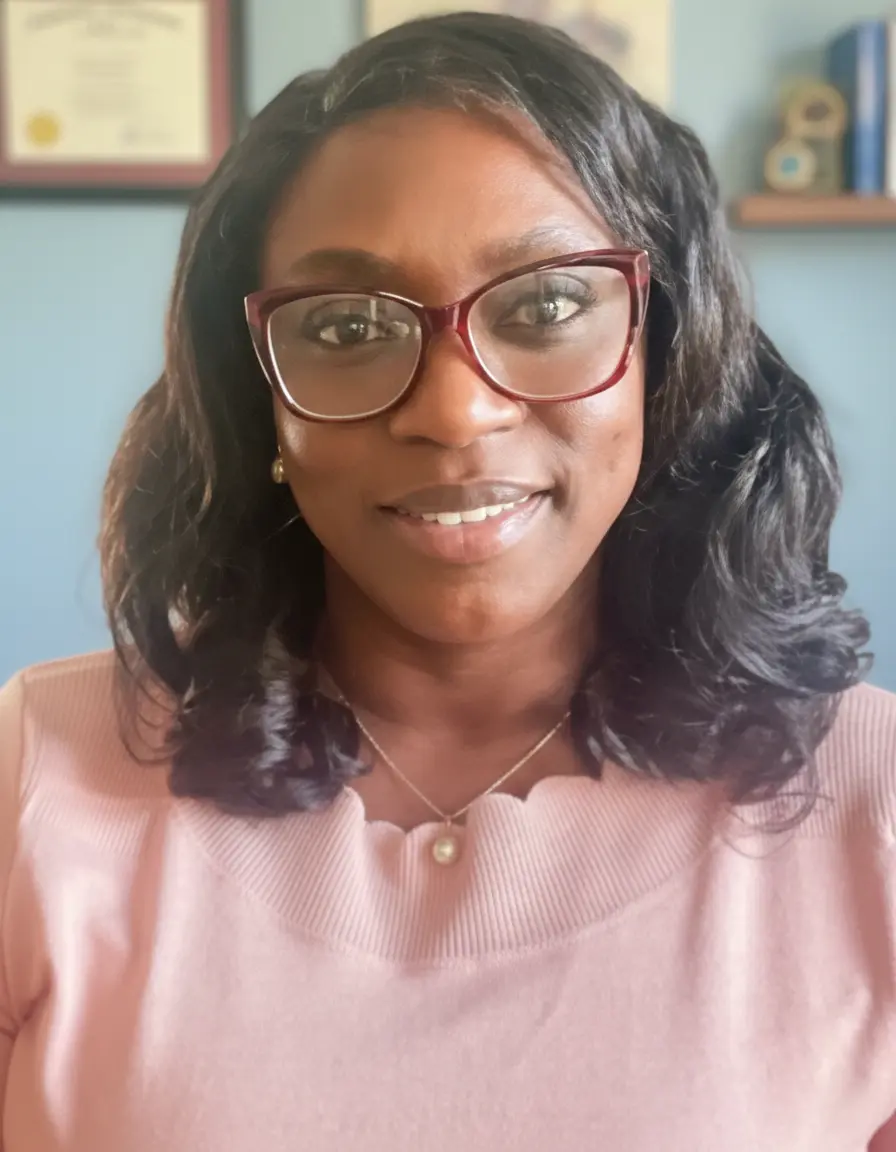
Awa Ndiaye, PMHNP, FNP
With over 15 years of experience across hospitals, primary care, and psychiatric clinics, I bring a deep, multi-faceted understanding of health to every session. As a dual-board-certified Family Nurse Practitioner (FNP) and Psychiatric-Mental Health Nurse Practitioner (PMHNP), I look at the “whole person”—not just a set of symptoms.
Your Journey to Wellness Starts with One Simple Step