
Psychosis Treatment in Ohio

When Something Feels Off and You Need Answers
Some people start hearing a voice no one else can. Some can’t let go of a belief that everyone around them says isn’t true. And some are the ones watching a husband, daughter, or friend slowly become someone they barely recognize, wondering whether to say something.
It’s scary from either side, and you don’t have to figure it out alone. A proper evaluation can help you understand what’s actually happening.
At Seeking Serenity, Awa Ndiaye, PMHNP, FNP provides psychiatric evaluation and medication management by telehealth to patients in Ohio.
One thing to say plainly: video visits don’t suit every situation. If symptoms are urgent, or anyone’s safety is in question, that calls for urgent help, not a booked appointment.
Understanding Psychosis and Its Symptoms
Psychosis isn’t a diagnosis. It’s a cluster of symptoms that can show up with many different conditions, which is why working out the cause matters so much. It can look like:
- Hallucinations – seeing, hearing, or feeling things that aren’t there for anyone else
- Delusions – strongly held beliefs that don’t line up with evidence, even when challenged
- Disorganized thinking or speech – thoughts that jump around, or sentences that are hard to follow
- Changes in behavior or daily functioning – withdrawing, struggling with things that used to be routine
- Trouble telling what’s real – feeling unsure about what’s actually going on around you
Noticing one of these doesn’t tell you the cause. That’s the job of a clinician.
Psychiatric Evaluation for Psychosis
Expect a careful, unrushed conversation. Here’s what gets covered:
- What you’re experiencing now and how it’s changed
- Your medical and psychiatric history
- Current medications and anything you’ve tried before
- Sleep, day-to-day functioning and other health issues
- Safety, who supports you and what level of care fits best
Depending on what turns up – the next step might be a medical workup or a referral to a specialist.
Psychosis Medication Management and Ongoing Care
Reviewing Your Symptoms and Treatment History
What’s worked, what hasn’t, and what you want now all feed into the decisions.
Discussing Appropriate Medication Options
If medication comes up, you’ll hear about the possible benefits, the risks, and the side effects, in plain language. Nothing specific is promised up front.
Monitoring Your Response and Side Effects
Follow-up visits are how we see whether symptoms are shifting, how you’re tolerating treatment, and whether anything needs adjusting.
Considering Your Overall Health
Body and mind are tied together, so both count. For a broader look at how this works, see our page on psychiatric medication management.
Is Telehealth Appropriate for Psychosis Care?

Sometimes, yes. It tends to work for eligible patients who can take part safely from home.
But not always. When symptoms are getting worse fast, daily life is falling apart, or there’s any safety concern, a more urgent or intensive level of care is the better call. And if symptoms are new or severe, a medical workup may need to come first.
Seeking Psychosis Care in Worthington and Across Ohio
Seeking Serenity is based in Worthington and sees patients across Ohio by telehealth! Depending on your situation, care might mean a psychiatric evaluation, medication management, a medical assessment, or a referral to a specialized program.
When More Specialized or Urgent Care Is Needed
Some people need more than one provider working together. In Ohio, Coordinated Specialty Care programs support people going through a first episode of psychosis, and Awa can help you find out about them.
If it’s a medical emergency or someone is in immediate danger, call 911 or head to the nearest emergency room. In the U.S., you can also call or text 988 any time for mental health crisis support.
Why Consider Seeking Serenity?
Credentials don’t promise any particular result. What they do give Awa is range, and range shapes what she notices.
Psychiatric and Family Health Experience
Years across hospitals, primary care, and psychiatric clinics give her a wide view.
Dual Board Certification
She’s certified as both a Psychiatric-Mental Health Nurse Practitioner and a Family Nurse Practitioner.
Individualized Care
Your plan is yours, built on your symptoms, history, and goals.
A Whole-Person Perspective
Physical health, mental health, and everyday life are looked at together.
Convenient Telehealth Access
For eligible patients, visits happen from home in Ohio.
How to Ask About an Appointment
Step 1: Contact the Practice
Call (614) 636-4110 or use the contact page.
Step 2: Ask Whether the Service Fits
Give a short summary and ask if the practice is the right match. Skip detailed or sensitive information in a contact form. Save that for the phone or the visit.
Step 3: Confirm What You’ll Need
Ask about eligibility, availability, insurance, and any records to bring. Our insurance partners page is a good place to start.
Step 4: Talk Through Next Steps
If a different level of care would serve you better, ask about referrals.
Why Choose Seeking Serenity for Psychosis Care?
A Dual-Board-Certified Provider
Training in both psychiatric-mental health and family practice.
More Than 15 Years in Healthcare
Hospitals, primary care, and psychiatric clinics.
Personalized, Collaborative Care
Your questions count, and where it’s appropriate, so does your family’s input.
Evidence-Informed Decisions
Recommendations are guided by clinical evidence, your history, and how you respond.
Convenient Ohio Telehealth
Appointments from home, when it’s clinically appropriate and available.
Frequently Asked Questions About Psychosis Care
It’s a set of symptoms that affect thinking, perception, and the sense of what’s real. A clinician should evaluate it.
Yes. What helps depends on the cause, and options may include medication, therapy, specialty care, or other medical care.
Psychiatric evaluation and medication management are services we offer. Contact the practice to confirm whether your specific situation is a fit.
Possibly, depending on your clinical needs and safety. Some situations call for in-person or emergency care.
Get assessed promptly. Ohio’s Coordinated Specialty Care programs may be able to help with first-episode psychosis.
Yes. They can help make the connection and share what they’ve noticed. In an emergency, call emergency services.
Contact the practice and ask about your specific situation!
Pricing and insurance details can change so please reach out to the practice for current information.
If someone is in immediate danger or having a medical emergency then call 911. For mental health crisis support in the U.S. - call or text 988.
Ask About Psychosis-Related Psychiatric Care
Not sure this is the right place? Call and ask. We’ll tell you honestly whether the practice is a fit, and what to do next if it isn’t.
Contact Information
- (614) 636-4110
- seekingserenity10@gmail.com
- 740 Lakeview plaza blvd worthington Ohio 43230
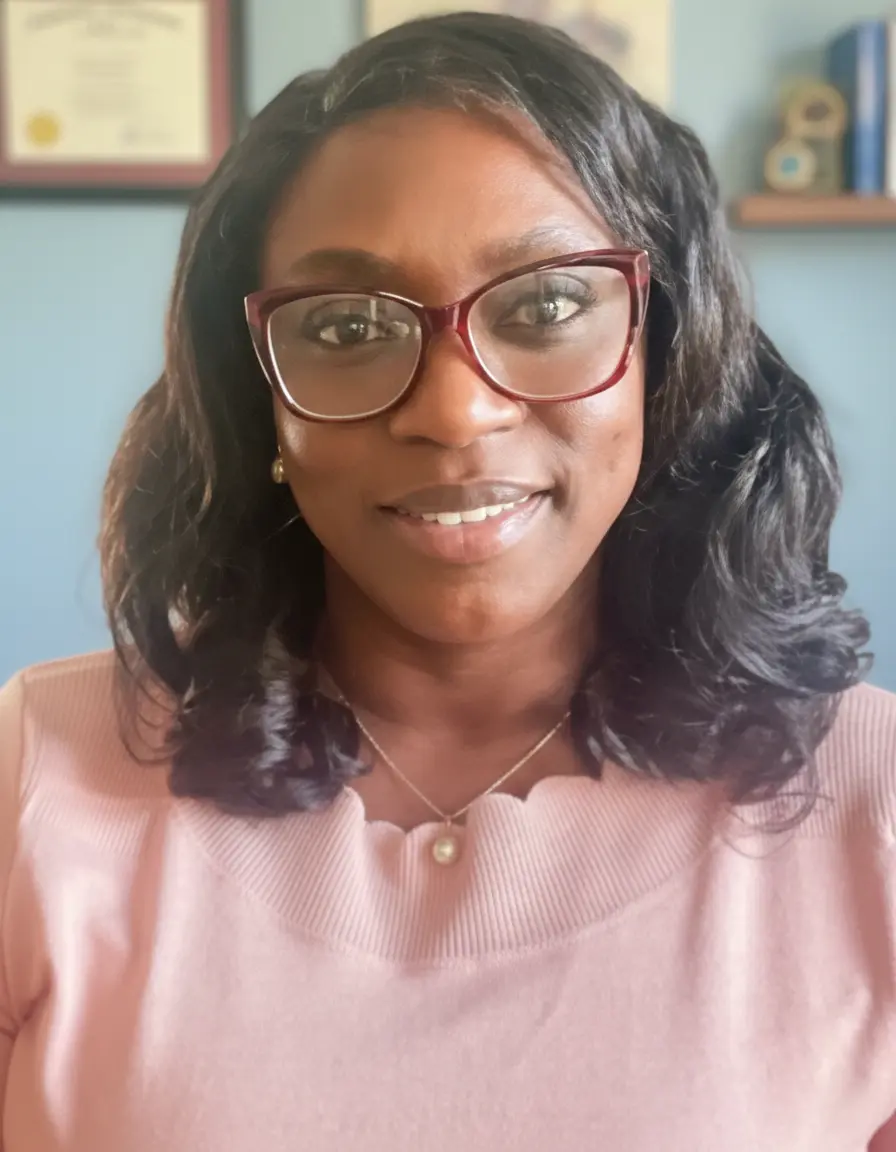
Awa Ndiaye, PMHNP, FNP
With over 15 years of experience across hospitals, primary care, and psychiatric clinics, I bring a deep, multi-faceted understanding of health to every session. As a dual-board-certified Family Nurse Practitioner (FNP) and Psychiatric-Mental Health Nurse Practitioner (PMHNP), I look at the “whole person”—not just a set of symptoms.
Your Journey to Wellness Starts with One Simple Step