
PTSD & Trauma-Informed Psychiatric Care in Ohio

Trauma doesn’t always stay in the past.
For many people, it still shows up as disturbed sleep, sudden worry, emotional numbness, feeling constantly on guard, or a low-level alarm that never quite switches off. These experiences can subtly affect employment, relationships, focus, and your ability to feel secure in everyday life.
At Seeking Serenity, Awa Ndiaye, a dual board-certified Psychiatric-Mental Health Nurse Practitioner and Family Nurse Practitioner, provides trauma-informed psychiatric evaluations and medication management via secure telehealth. Care is available for qualified people in Worthington and across Ohio.
You don’t need to have everything figured out before reaching out. The first step is simply understanding what is happening and what kind of support may actually help.
What Trauma-Related Symptoms Can Look Like
PTSD and other trauma responses are highly individual. Some people have really powerful, vivid flashbacks. Others get less dramatic but more permanent alterations that still impair daily functioning.
Shared experiences include:
- Recurrent flashbacks, intrusive recollections, or unpleasant mental images of the incident
- Trouble sleeping, frequent awakenings, or bad dreams
- Feeling easily startled, hyper-vigilant, or always on the lookout for danger
- Avoiding people, places, conversations, or situations that seem associated with the trauma
- Feeling emotionally numb, detached from people, or losing interest in activities you formerly enjoyed
- Chronic guilt, shame, irritation, fury, or impending doom
- Trouble concentrating, memory issues, or mental fog
- Mood changes that impact relationships and work performance
Having some of these situations does not inevitably indicate you meet the requirements to have PTSD. Anxiety, sadness, sleep difficulties, and other mental health illnesses can cause overlapping symptoms. A full psych evaluation can help clarify what is causing your troubles and which methods would work best.
A Trauma-Informed Approach to Psychiatric Care
Many people seeking help for trauma-related symptoms have been rushed, ignored, or compelled to divulge more than they were ready to reveal. Trauma-informed care begins with a different foundation: respect for your pace, attention to emotional and physical safety, and acknowledgment that symptoms frequently make sense in the light of what you have lived through.
Your first assessment is a discussion, not an interrogation. The discussion may include:
- How symptoms are presenting in everyday life, work, and relationships
- Patterns of sleep, mood, anxiety, energy, and attention
- Past medical and psychiatric histories
- Previous treatment experiences – what worked, what didn’t work, and what was challenging
- Your goals, and what “feeling better” would look like for you
You decide how much and how fast you share. You are not expected to go into traumatic incidents in depth at the first appointment unless you want to.
Where Medication Fits — and Where It Doesn’t
Trauma-focused psychotherapy is often recommended as a first-line treatment for PTSD. Evidence-based methods, such as Cognitive Processing Therapy (CPT), Prolonged Exposure (PE), and Eye Movement Desensitization and Reprocessing (EMDR), directly target the traumatic experience and the thoughts, feelings, and behaviors associated with it.
Medication is not a substitute for the work. But it can be a beneficial support for some people, particularly when:
- Symptoms are severe enough to cause significant impairment in everyday functioning
- Sleep disturbance or intense anxiety makes participation in therapy difficult
- Trauma-focused therapy is not currently available, desirable, or suitable
We make any decision about medication carefully after evaluating your full clinical picture, current symptoms, medical history, other medications, past treatment responses, and your preferences. Nothing is prescribed automatically. The approach includes follow-up consultations to check response and side effects and make modifications as needed.
Seeking Serenity’s documented service focuses on trauma-informed psychiatric examination and medication treatment. If a specialized trauma-focused psychotherapy is the better next step for you, that can be openly discussed and appropriate avenues explored.
How Mental and Physical Health Intersect
Symptoms associated with trauma seldom occur in isolation. Many people are also afflicted with anxiety, indications of depression, sleep issues, cognitive difficulties, or physical strain. These issues can feed into one another.
Awa is a Psychiatric-Mental Health Nurse Practitioner and a Family Nurse Practitioner. Dual certification provides a broader clinical perspective. In assessing PTSD, it is not looked at in isolation, but rather includes relevant physical health concerns, current medications, and general functioning, not just the mental health symptoms.
Why Adults Choose Seeking Serenity for Trauma-Related Psychiatric Care
Experienced dual-certified provider
Awa has over 15 years of clinical experience in hospital, primary care, and psychiatric settings. This foundation enables a practical, whole-person understanding of how trauma symptoms interact with physical health and daily living.
Collaborative rather than directive
Recommendations are discussed with you. You are encouraged to ask questions, express your wishes and opinions, and be involved in choices about your care.
Respect for privacy and pace
It can feel vulnerable to talk about trauma-related difficulties. You will be offered care in a safe setting where your mental safety is a priority, and you can move at a rate that is manageable for you.
Convenient telehealth across Ohio
Based in Worthington, Seeking Serenity provides secure telehealth appointments for eligible patients throughout Ohio. You can meet from a private location of your choosing without the stress of a traditional waiting room.
Continuity of care
Psychiatric support doesn’t end after the initial visit. Follow-up appointments let us adjust the treatment plan as your symptoms, situation, and goals change.
What to expect when you begin
- Schedule: Book a telehealth appointment online or call (614) 636-4110.
- Evaluation: Discuss current symptoms, relevant history, and what you hope to address.
- Treatment discussion: Review findings and talk through realistic, individualized next steps. This may include medication management when clinically appropriate, supportive guidance, or recommendations for other care options.
- Follow-up: Ongoing visits monitor progress, medication response if applicable, and any needed adjustments.
Telehealth appointments require a suitable device, reliable internet connection, and a private space where you feel comfortable discussing personal health concerns.
Frequently Asked Questions
No. Trauma-focused psychotherapy is generally recommended as a first-line approach. Medication can be a helpful addition for some people depending on symptom severity and individual circumstances.
No. You can seek an evaluation based on current symptoms and concerns, even without a previous diagnosis.
Yes, for eligible patients. Suitability depends on clinical needs and applicable requirements.
These concerns frequently overlap with trauma-related symptoms. Evaluation looks at the broader picture rather than isolating one issue.
No. Medication is considered only when clinically appropriate after a full assessment. Many people leave the first visit without a prescription.
Medication management focuses on psychiatric assessment, medication decisions when appropriate, and ongoing monitoring. Trauma-focused psychotherapy uses specialized therapeutic techniques to process the traumatic experience. They are distinct services.
Frequency depends on your treatment plan, response to care, and clinical needs. Recommendations are discussed with you.
Taking the next step
You don’t need to wait until the symptoms are unbearable or you have a certain diagnosis. If your experiences related to trauma are hurting your sleep, mood, relationships, concentration, or sense of safety, a thoughtful psychiatric evaluation might help explain what support makes sense right now.
Seeking Serenity delivers trauma-informed psychiatric evaluation and medication management through secure telemedicine to individuals in Worthington and throughout Ohio.
Contact Information
- (614) 636-4110
- seekingserenity10@gmail.com
- 740 Lakeview plaza blvd worthington Ohio 43230
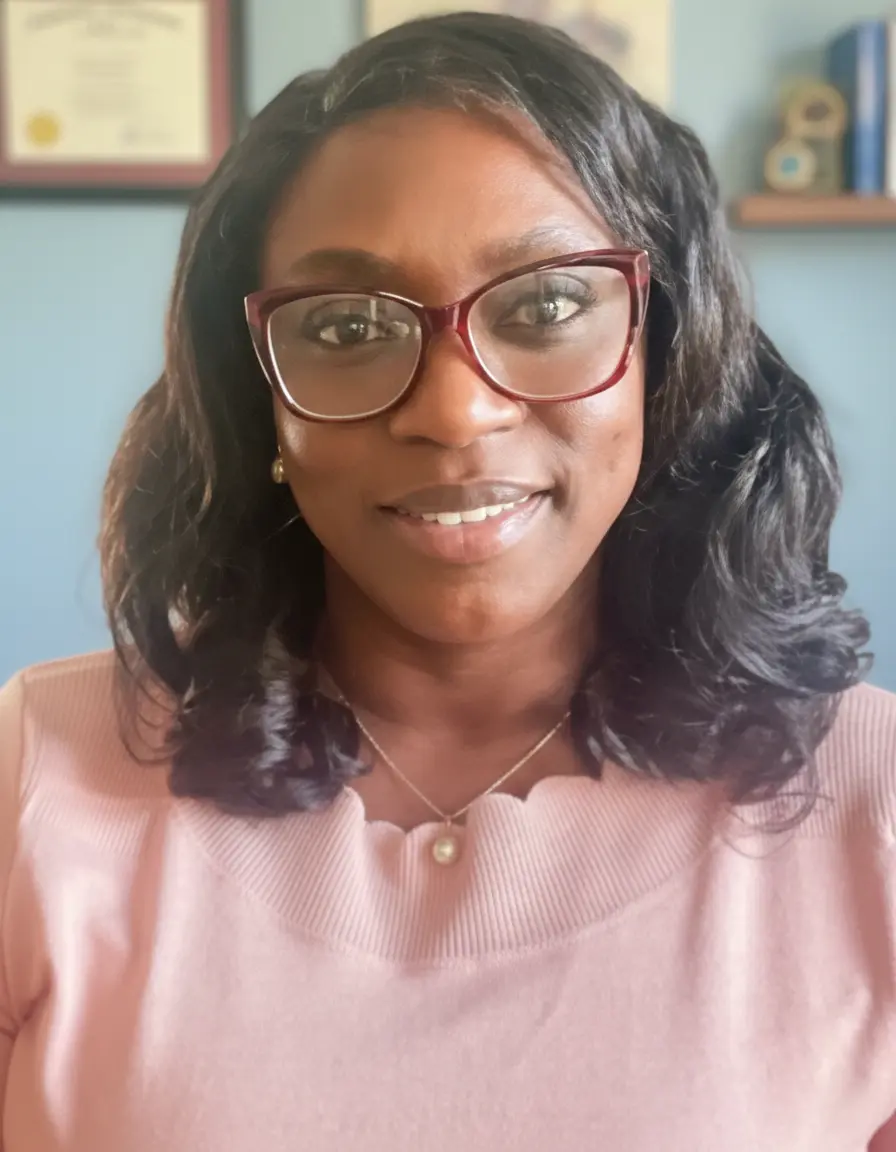
Awa Ndiaye, PMHNP, FNP
With over 15 years of experience across hospitals, primary care, and psychiatric clinics, I bring a deep, multi-faceted understanding of health to every session. As a dual-board-certified Family Nurse Practitioner (FNP) and Psychiatric-Mental Health Nurse Practitioner (PMHNP), I look at the “whole person”—not just a set of symptoms.
Your Journey to Wellness Starts with One Simple Step