
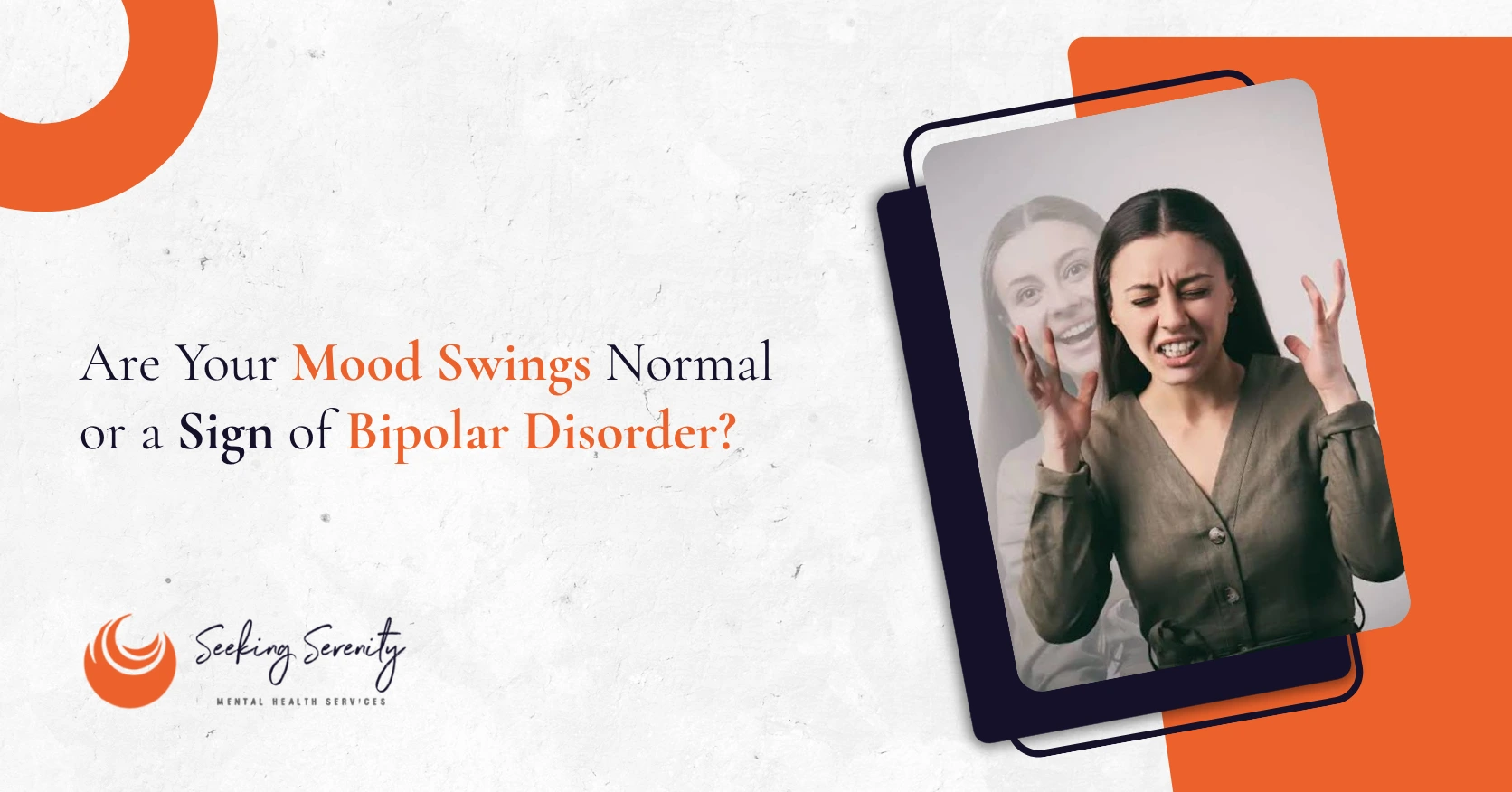
Everyone has mood changes. You may feel well in the morning, then angry about the traffic, but feel calm by dinner time. Those changes are typically a normal life response.
Bipolar disorder is different. It involves extreme changes in mood, energy, sleep and behavior that last for days or weeks and make it hard to function.
Below, we will explain the key differences, signs of manic and depressive episodes and when to talk to a mental health professional in Worthington, Ohio.
What Do Normal Mood Swings Look Like?
Normal mood swings are emotional reactions to everyday events. You might:
- Feel upset after a stressful email
- Feel relieved after solving a problem
- Feel irritable when hungry or tired
- Feel sad during a sad movie, then laugh with a friend later
Duration and function are key. Normal mood changes swiftly pass and don’t hinder your life. Your feelings usually align with your surroundings.
What Is Bipolar Disorder?
Bipolar disorder is a severe mental health and medical disorder characterized by large mood swings with altered levels of energy and activity and sleeping patterns. These changes are called mood episodes.
They aren’t “feeling a little happy” or “feeling a little sad.” They are often severe, can last for days or weeks and can really impact relationships, work, school and safety.
Bipolar disorder is diagnosed by a mental health professional using criteria from the Diagnostic and Statistical Manual of Mental Disorders, Fifth Edition, Text Revision (DSM-5-TR).
Types of Bipolar Disorder
- Bipolar I disorder
Requires at least one manic episode. A manic episode has to persist for 1 week or be severe enough to necessitate hospitalization. Depressive episodes are very common but not necessarily required for the diagnosis.
- Bipolar II disorder
This type of bipolar disorder includes a major depressive episode and at least one hypomanic episode. Hypomania is not as severe as full mania and is nevertheless a definite change in function.
- Cyclothymic disorder
Cyclical and less severe mood symptoms than those that meet criteria for mania, hypomania, or major depression.
Other conditions can cause mood instability, such as borderline personality disorder, ADHD, premenstrual dysphoric disorder (PMDD), substance use and thyroid difficulties. That’s why it’s so crucial to have a professional assessment.
Signs of a Manic or Hypomanic Episode
Manic episodes are long episodes of extreme energy, mood, or irritability that affect daily life. A hypomanic episode is less severe and lasts at least four days.
Signs include:
- Feeling “wired,” jumpy, or unusually euphoric
- Having a very short temper or irritability
- Talking very fast or jumping between topics
- Sleeping very little but still feeling rested
- Feeling unusually confident or grandiose
- Starting many projects but finishing few
- Spending excessively, making risky decisions, or driving recklessly
- Feeling out of control or behaving unlike yourself
Family and friends often notice the change before the person does.
Signs of a Depressive Episode
A bipolar depressive episode lasts at least two weeks and represents a major change from the person’s usual functioning.
Signs include:
- Extreme sadness, emptiness, or hopelessness
- Very low energy or fatigue
- Losing interest in hobbies, friends, or activities
- Sleeping too much or being unable to sleep
- Changes in appetite or weight
- Difficulty concentrating or making decisions
- Feeling worthless or excessively guilty
- Thoughts of death or suicide
Depression in bipolar disorder is not laziness or a “bad attitude.” It is a medical symptom that needs proper care.
Why Do Mood Swings Happen if It Is Not Bipolar Disorder?
Not all mood changes mean you have bipolar disorder. There are other common reasons your feelings might change a lot.
- Lack of sleep
Being tired can make you more emotional.
- Stress
Work, school, or family pressure can affect mood
- Hunger
Low blood sugar can make you cranky.
- Hormonal changes
Monthly cycles, pregnancy, postpartum changes and menopause can affect mood.
- Life events
Good news, bad news, conflict, or grief can cause expected emotional shifts.
When the trigger resolves after a meal, a nap, or a calm conversation, your mood usually stabilizes.
Key Differences at a Glance
| Feature | Normal Mood Swings | Bipolar Disorder |
| Duration | Minutes to hours, sometimes a day | Bipolar episodes last for a full week, two weeks, or longer |
| Trigger | Often clear stress, poor sleep, hunger, conflict, hormones | May occur without a clear trigger |
| Intensity | Feels proportionate to the situation | Extreme and out of proportion |
| Impact on Life | You can still work, care for family and manage daily tasks | Functioning is significantly impaired, especially in mania |
| Sleep | Temporary disruption | Major change: little sleep with no fatigue, or sleeping far too much |
| Behavior | Usually settles when the trigger passes | Risky behavior, rapid speech, grandiosity, hopelessness, or withdrawal |
The main differences are duration, trigger and impact on functioning. Normal mood swings don’t ruin your day. Long-term bipolar episodes can impact employment, relationships, sleep and safety.
When Should You Talk to a Mental Health Professional?
Seek professional help in the Worthington, Ohio area if mood changes:
- Damage your relationships
- Make it hard to keep up with work, school, or daily responsibilities
- Feel out of control
- Lead to risky behavior you would not normally do
- Include thoughts of hurting yourself or someone else
If you are in danger or want to hurt yourself, call or text 988 in the U.S. right away, or go to the nearest hospital.
Diagnosis and Treatment
There is no single lab test for bipolar disorder. A clinician makes a diagnosis by:
- Reviewing symptoms and their duration
- Asking about sleep, energy, behavior and functioning
- Taking a medical and psychiatric history
- Ruling out other causes, such as thyroid disease or substance use
Treatment usually includes:
- Medication
Mood stabilizers, antipsychotics and sometimes antidepressants, always guided by a psychiatric clinician.
- Psychotherapy
Cognitive behavioral therapy (CBT), interpersonal therapy and psychoeducation can help with coping, relationships and relapse prevention.
- Lifestyle support
Getting enough sleep, eating regular meals and finding ways to relax can support your mental health. Staying away from alcohol and drugs can also help.
Bipolar disorder is a long-term condition, but treatment can help people manage it and live full lives.
Dedicated Psychiatric Care in Worthington, Ohio
At Seeking Serenity, we help you find your peace and reclaim your life. We offer comprehensive telehealth psychiatric care for patients across Worthington, Ohio and surrounding communities.
Awa Ndiaye is a double board-certified Psychiatric-Mental Health Nurse Practitioner and Family Nurse Practitioner practicing in the Worthington area. She gets to know you physically as well as mentally and how you live your life before creating your care plan.
For our Ohio patients, we offer psychiatric evaluations and medication management and follow up closely for long-term stability.
Book an Appointment today and let us build a personal care plan that fits your life.
FAQs
Does everyone with bipolar disorder get super high energy (mania)?
No. Some people have a softer type of high energy. They also have times of deep sadness.
Can mood swings be a sign of anxiety?
Yes. Anxiety is strong worry. It can make you feel scared, angry, or upset. A doctor can help check what is going on.
This article is just for learning. It can’t tell you for sure that you have it. Only a doctor can diagnose you with bipolar disorder.






No comment